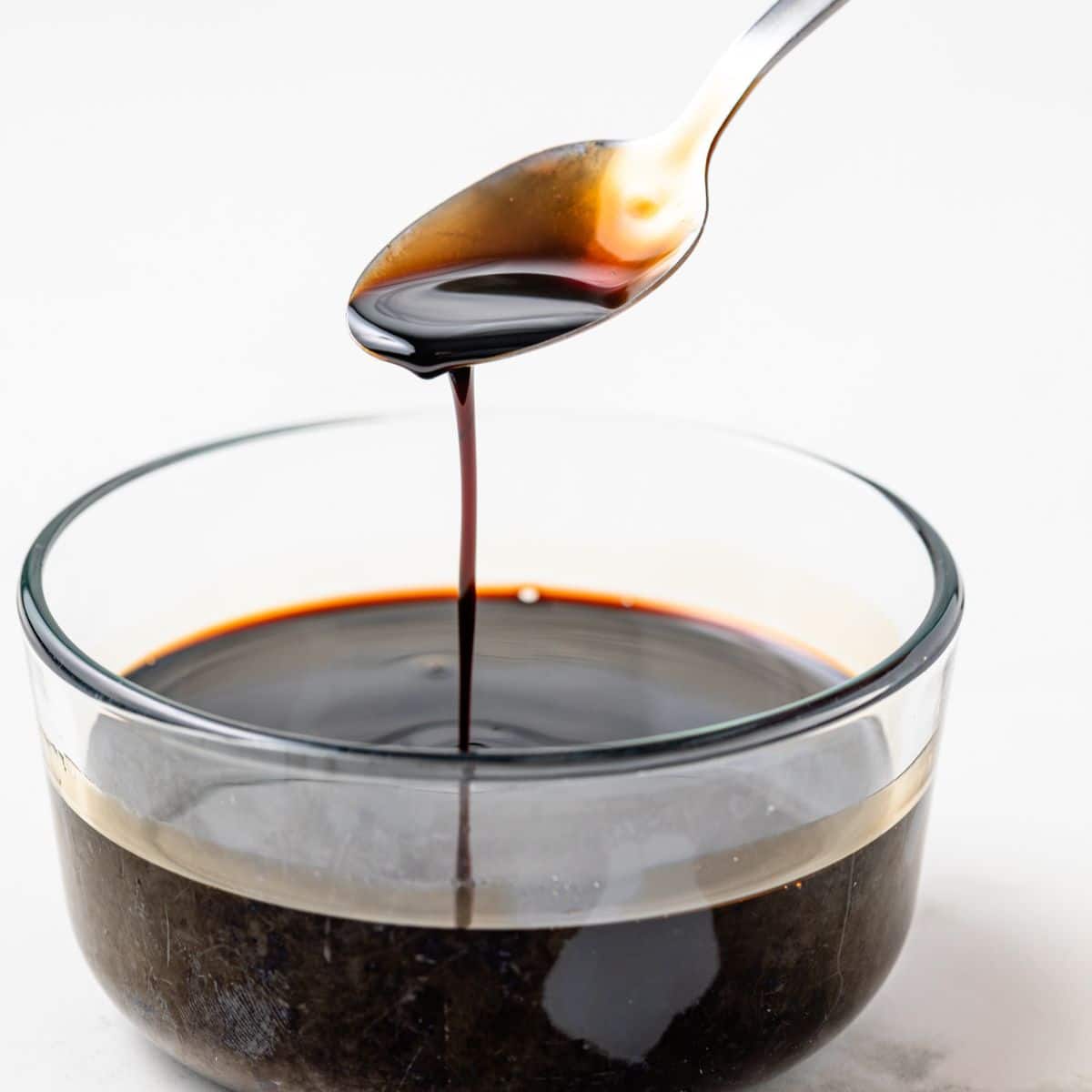
Tired of a cluttered fridge overflowing with specialty condiments? Imagine a world where a single, simple homemade drizzle can elevate salads, transform roasted vegetables, and add a gourmet touch to almost any dish. This isn't a culinary fantasy; it's the power of homemade balsamic glaze. Often overlooked in favor of store-bought alternatives, mastering your own balsamic reduction is not only incredibly easy but also remarkably rewarding, saving you space, money, and delivering unparalleled flavor. Get ready to unlock the secret to a luscious, sweet, and tangy syrup that will become your new kitchen essential.
What Exactly is Balsamic Glaze? The Culinary Secret Revealed
At its heart, balsamic glaze, sometimes referred to as a balsamic reduction, is a testament to the magic of simplicity. It begins with humble balsamic vinegar and transforms into a thick, syrupy, intensely flavored condiment through a process of gentle simmering. As the vinegar heats, most of its water content evaporates, concentrating the natural sugars and complex flavors. The result is a richer, smoother, and less acidic syrup that boasts a beautiful balance of sweetness and tang, along with an incredible depth of flavor that a plain vinegar simply cannot offer.
This concentrated elixir is truly a "magic bullet" in the kitchen, capable of making everyday meals taste gourmet. From a simple drizzle over grilled chicken to an unexpected topping for vanilla ice cream, its versatility knows no bounds. The best part? Despite its sophisticated taste and appearance, it typically requires just one or two ingredients and about ten minutes of your time, making it an incredibly accessible culinary upgrade for any home cook.
Choosing Your Balsamic: The Foundation of Flavor
While the process of making balsamic glaze is straightforward, the quality of your finished product hinges almost entirely on one crucial decision: the balsamic vinegar you start with. Think of it this way: when you reduce a liquid, you intensify its existing flavors. If your base vinegar is mediocre, its flaws will become even more pronounced. If it's excellent, its nuances will truly shine.
Here’s what to look for when selecting your balsamic vinegar:
- Aim for Mid-Range Quality: You don't necessarily need an exorbitantly priced 25-year-aged Traditional Balsamic Vinegar of Modena (DOP), but absolutely avoid the cheapest, mass-produced bottles. A good "everyday" quality balsamic will be perfect.
- Look for "From Modena" or "Aceto Balsamico di Modena PGI": This geographical indication (Protected Geographical Indication) assures a certain level of quality and authenticity. It means the vinegar was produced and bottled in Modena or Reggio Emilia, Italy, following specific production guidelines.
- Check the Ingredients List: A good quality balsamic vinegar will primarily list cooked grape must, and possibly a small amount of wine vinegar. Avoid products that list caramel color, artificial flavorings, or excessive amounts of wine vinegar as primary ingredients. These additives often mask a lower quality product.
- Observe the Color and Consistency: The vinegar should be dark, rich, and slightly viscous, not thin or translucent. A good quality balsamic will have a natural sweetness and complexity even before reduction.
Investing a little more in a decent bottle of balsamic vinegar will pay dividends in the flavor of your homemade glaze, transforming it from merely good to truly exceptional.
Mastering the Reduction: Essential Tips for a Perfect Balsamic Glaze
Creating a luscious balsamic glaze is a simple pleasure, but a few expert tips can ensure your first (and every subsequent) batch is absolute perfection. Precision and patience are your best allies in this process.
Equipment Matters: Set Yourself Up for Success
- Choose a Small, Heavy-Bottomed Pot: A heavy-bottomed pot, preferably stainless steel, is ideal. The thick base distributes heat more evenly, preventing hot spots that can cause the vinegar to reduce too quickly or even burn. A small pot minimizes the surface area, also helping with controlled reduction and allowing you more "wiggle room" before it goes too far.
- Consider a Light-Colored Pot: Stainless steel or a light-colored enamel pot is highly recommended. The dark color of balsamic vinegar makes it difficult to gauge its true consistency and color development in a dark pot. A light background allows you to clearly see the glaze thickening and darkening against the bottom of the pan.
- Ventilation is Key: Turn on your range hood or open a window! Simmering vinegar, while delicious when finished, can produce strong, pungent fumes that are quite potent.
The Art of Simmering: Heat and Patience
- Maintain a Gentle Simmer: This is perhaps the most critical tip. You want the lowest heat setting that keeps the vinegar at a gentle, consistent simmer, with small bubbles breaking the surface. A rapid, rolling boil will cause the vinegar to reduce too quickly, increasing the risk of burning and potentially candying the sugars, which results in a hard, unusable glaze.
- Watch Closely and Stir Often: Never walk away from your reducing glaze. The transition from perfect to over-reduced can happen rapidly, especially in the final minutes. Stirring frequently prevents the glaze from sticking to the bottom of the pot and ensures even reduction.
- Know When to Remove from Heat: The glaze will thicken considerably as it cools. Therefore, remove it from the heat when it's still slightly thinner than your desired final consistency. A good test is to dip a spoon into the glaze; if it coats the back of the spoon and you can draw a clean line with your finger through the glaze on the spoon, it's likely ready. It should look syrupy, but still pourable. If it's too thick after cooling, gently warm it with a tablespoon of water or more balsamic vinegar to loosen it.
Flavor Enhancements and Customization
While a classic two-ingredient balsamic glaze is fantastic, don't hesitate to experiment with additions to tailor it to your preferences. For a delightful, easy-to-follow recipe, check out our guide on Easy Homemade Balsamic Glaze: 2 Ingredients, 10 Minutes.
- Sweeteners: While balsamic vinegar naturally sweetens as it reduces, a touch of brown sugar (as mentioned in the reference context), maple syrup, or honey can balance the acidity and add an extra layer of sweetness and viscosity. Start with a small amount and adjust to taste. Some prefer to omit added sweeteners for a purely savory glaze.
- A Pinch of Salt: Often overlooked, a tiny pinch of sea salt can dramatically enhance the overall flavor of your glaze, making it pop and balancing both the sweet and tangy notes, especially when destined for savory applications.
- Infusions: Get creative! Add a sprig of fresh rosemary or thyme, a crushed garlic clove, or a pinch of red pepper flakes to the vinegar as it simmers. Just remember to strain them out before storage. This can introduce exciting new dimensions to your glaze.
Storing Your Homemade Glaze and Its Versatile Applications
Once your beautiful homemade balsamic glaze has cooled to room temperature, transfer it to an airtight container, such as a glass jar or a squeeze bottle, and store it in the refrigerator. Properly stored, it will keep well for several weeks, if not longer. If it becomes too thick in the fridge, simply warm it gently in the microwave or a small saucepan for a few seconds to restore its drizzly consistency.
Now for the fun part: using it! This glossy, sweet, and tangy reduction is incredibly versatile. It's truly a secret weapon for home cooks looking to add a gourmet touch to countless dishes. Here are just a few ideas:
- Salads: Drizzle over Caprese salad, mixed greens with goat cheese, or a spinach salad with strawberries.
- Roasted Vegetables: It's absolutely phenomenal on roasted Brussels sprouts (a must-try!), asparagus, carrots, or sweet potatoes.
- Meats and Poultry: A perfect finish for grilled steak, chicken, pork tenderloin, or pan-seared scallops.
- Pasta and Pizza: A surprising but delicious addition to a simple pasta dish or a Margherita pizza.
- Cheese Boards: Pair with creamy brie, sharp cheddar, or fresh mozzarella.
- Fruits and Desserts: Drizzle over fresh berries, peaches, vanilla ice cream, or even panna cotta for an unexpected twist.
To explore even more delicious ways to incorporate this culinary gem into your daily cooking, be sure to read our article on Elevate Every Dish: The Versatile Uses of Balsamic Glaze.
Conclusion
Mastering homemade balsamic glaze is one of those simple kitchen skills that delivers immense culinary rewards. It’s an incredibly easy, cost-effective, and deeply flavorful condiment that will quickly become a cherished staple in your repertoire. By selecting a good quality balsamic vinegar and following a few straightforward tips for reduction, you can consistently create a glossy, sweet, and tangy drizzle that elevates everything it touches. Say goodbye to extra bottles cluttering your fridge and hello to a gourmet touch that's always just minutes away.
