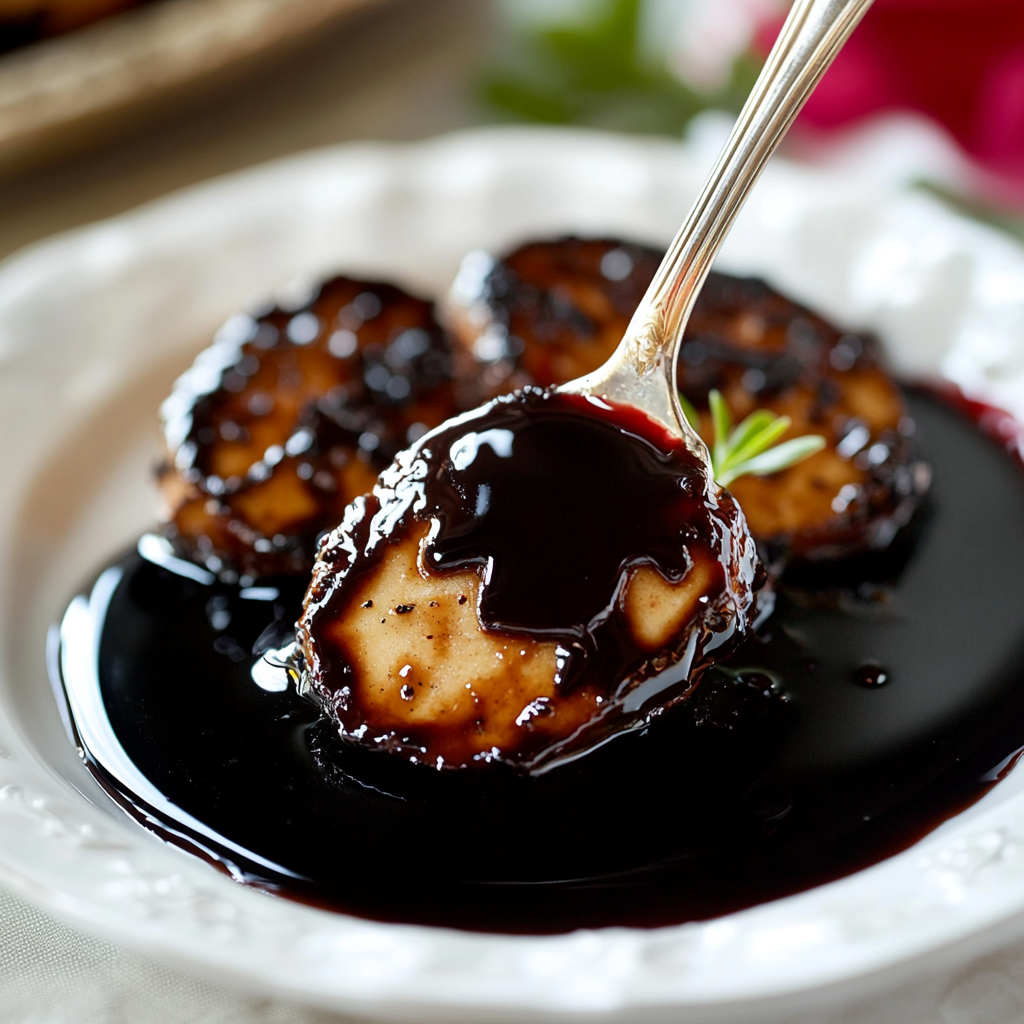
Imagine a simple, yet sophisticated drizzle that can transform an ordinary meal into a gourmet experience. That's the magic of balsamic glaze. This sweet, tangy, and wonderfully complex condiment has earned its place in kitchens worldwide, praised for its incredible versatility and the depth of flavor it brings to an astonishing array of dishes. Whether you're a seasoned chef or a home cook looking to add a touch of elegance, understanding the power of balsamic glaze is a game-changer. It’s not just for salads; it’s a culinary secret weapon that can elevate everything from roasted vegetables and grilled meats to delicate desserts and fresh fruit.
Elevate Your Everyday: Discover the Magic of Balsamic Glaze
At its heart, balsamic glaze is a simple yet profound creation: balsamic vinegar that has been gently simmered and reduced until much of its water content evaporates. What remains is a thick, syrupy liquid with a concentrated, intensified flavor profile. Often referred to as a "balsamic reduction," this transformation mellows the vinegar's sharp acidity, bringing forth a delightful balance of sweetness and tanginess, creating a glossy, rich condiment that can make any dish feel special.
The beauty of this glossy drizzle lies not only in its taste but also in its surprising simplicity. Many home cooks discover that making their own balsamic glaze is incredibly easy, often requiring just two ingredients – balsamic vinegar and a touch of brown sugar to further balance the acidity and enhance its smooth texture. This homemade approach not only saves you money but also gives you complete control over the flavor and consistency, ensuring a fresh, vibrant addition to your meals without cluttering your fridge with specialty store-bought bottles. In fact, you can learn how to make your own with our Easy Homemade Balsamic Glaze: 2 Ingredients, 10 Minutes guide!
Unleashing Culinary Creativity: The Versatile Uses of Balsamic Glaze
Once you have a bottle of homemade balsamic glaze at your disposal, the culinary possibilities are virtually endless. Its sweet-tart profile makes it incredibly adaptable, complementing both savory and sweet dishes with equal grace. Here are just some of the ways this liquid gold can transform your cooking:
For Savory Sensations:
- Salads & Appetizers: This is arguably its most classic application. A generous drizzle over a Caprese salad with fresh mozzarella, ripe tomatoes, and basil is iconic. But don't stop there! Use it to dress mixed greens, spinach salads with strawberries and goat cheese, or even a simple side salad to add depth and zing. It also pairs beautifully with bruschetta, crostini, or as an accent on a sophisticated charcuterie or cheese board.
- Roasted Vegetables: Prepare to have your vegetable game revolutionized. Roasted Brussels sprouts, asparagus, carrots, root vegetables, bell peppers, and even broccoli take on a whole new dimension with a delicate ribbon of glaze. The heat caramelizes the natural sugars in the glaze, creating a delectable finish that enhances the vegetables' inherent sweetness.
- Grilled & Roasted Meats: Whether it's a juicy steak, tender chicken breast, succulent pork loin, or even pan-seared salmon, a finishing drizzle of balsamic glaze can act as a simple yet elegant sauce. It adds a touch of acidity and sweetness that cuts through the richness of the meat, brightening the entire dish. Try it on grilled kebabs or roasted lamb for an unforgettable flavor.
- Pasta & Pizza: Move beyond traditional sauces. After a pasta dish or pizza comes out of the oven, a light drizzle of glaze can introduce a surprising layer of flavor. It works particularly well with dishes featuring fresh vegetables, creamy sauces, or salty ingredients like prosciutto or feta.
- Sandwiches & Wraps: Elevate your everyday lunch! A little balsamic glaze on a turkey and provolone sandwich, a Caprese wrap, or even a gourmet grilled cheese can add an unexpected gourmet touch.
For Sweet Delights:
- Fresh Fruit: This might sound unconventional, but the sweet-tart notes of balsamic glaze are a revelation with fresh berries (strawberries, raspberries, blueberries), sliced peaches, or figs. It enhances their natural sweetness and adds a sophisticated twist.
- Desserts: Drizzle it over vanilla ice cream, panna cotta, cheesecake, or even a fruit tart. The glaze provides a unique counterpoint to the sweetness of these desserts, creating a memorable flavor experience.
The Foundation of Flavor: Choosing Your Balsamic Vinegar Wisely
Given that balsamic glaze is essentially a concentrated form of balsamic vinegar, the quality of your base ingredient is paramount. As the vinegar reduces, its flavor intensifies dramatically. If you start with a low-quality, insipid vinegar, the reduction process will only magnify its shortcomings. Conversely, a good quality balsamic vinegar will yield a glaze bursting with complex, nuanced flavors.
When selecting your balsamic vinegar, keep these tips in mind:
- Look for "from Modena": Authentic balsamic vinegar hails from Modena or Reggio Emilia, Italy. While you don't necessarily need an aged, expensive Traditional Balsamic Vinegar for a reduction (which is usually too thick already and best enjoyed pure), a good quality "Balsamic Vinegar of Modena" will be excellent.
- Check the Ingredients: Avoid vinegars that list wine vinegar, caramel color, or other artificial flavorings as primary ingredients. A good quality balsamic vinegar will primarily list grape must, and possibly wine vinegar in a smaller proportion.
- Observe the Color and Consistency: A good balsamic vinegar should be dark, opaque, and relatively viscous, not translucent and watery. This indicates a richer flavor and a better starting point for reduction.
- Taste Test: If possible, taste different brands. You'll be surprised at the difference in sweetness, acidity, and overall complexity. Choose one whose flavor you enjoy on its own, as this will be the intensified flavor of your glaze.
Crafting Your Own Liquid Gold: Expert Tips for Homemade Balsamic Glaze
Making balsamic glaze is a straightforward process, but a few expert tips can ensure you achieve that perfect, glossy consistency and rich flavor every time. For a deeper dive into the technicalities, be sure to check out our Mastering Balsamic Glaze: Tips for the Best Homemade Drizzle article.
- Choose the Right Pot: Opt for a small, heavy-bottomed pot. This distributes heat more evenly, preventing the vinegar from reducing too quickly and giving you more control to avoid burning. A stainless steel or light-colored pot is also helpful, allowing you to clearly see the color and thickness of the dark liquid as it reduces.
- Ventilation is Key: Simmering vinegar can produce a strong aroma. Always turn on your kitchen vent hood to ensure proper ventilation and prevent your kitchen from smelling overwhelmingly of vinegar.
- Gentle Simmer, Not a Boil: Use the lowest heat setting that maintains a gentle simmer. High heat can cause the vinegar to reduce too rapidly and burn, or cause any added sugar to crystallize and candy, which is undesirable for a smooth glaze.
- Watch Closely and Stir Often: Reduction requires your attention. Keep a watchful eye on the pot and stir frequently. The liquid will reduce significantly, and the thickness will change quickly towards the end of the process.
- The "Cooling Test": This is perhaps the most crucial tip. Remember that balsamic glaze thickens considerably as it cools. Remove it from the heat when it's still slightly thinner than your desired final consistency. If you wait until it looks perfect in the pot, it will likely be too thick and sticky once cooled. A good test is to dip a spoon into the glaze; if it coats the back of the spoon and you can draw a clean line through it with your finger, it's likely ready.
- Optional Flavor Enhancements: While balsamic vinegar and optional brown sugar are the core, a small pinch of salt can sometimes help to round out the flavors and make the glaze pop, depending on its intended use. You can also experiment with a sprig of rosemary or thyme during the reduction for an herbaceous twist, removing it before serving.
Beyond the Drizzle: Creative Applications and Why Homemade Shines
Once you’ve mastered the basic balsamic glaze, don't hesitate to get creative. Consider using it as a marinade for poultry or pork, adding a rich, tangy depth before grilling. Whisk it into salad dressings for an extra layer of flavor, or even incorporate a small amount into a pan sauce to deglaze and add body. Its natural acidity and sweetness make it a fantastic flavor booster in many culinary scenarios.
The beauty of making homemade balsamic glaze truly shines here. You avoid unnecessary preservatives, control the sugar content, and ensure a fresh, vibrant taste that simply can't be matched by most store-bought alternatives. Plus, it’s incredibly satisfying to know you created such a versatile and gourmet condiment from scratch in just a few minutes.
From a simple weeknight meal to an elegant dinner party, balsamic glaze is a testament to how easily a few basic ingredients can be transformed into something extraordinary. Its ability to balance flavors, add visual appeal, and impart a gourmet touch makes it an indispensable tool for any culinary enthusiast. So go ahead, drizzle freely, and watch your dishes come alive with the unparalleled taste of homemade balsamic glaze!
