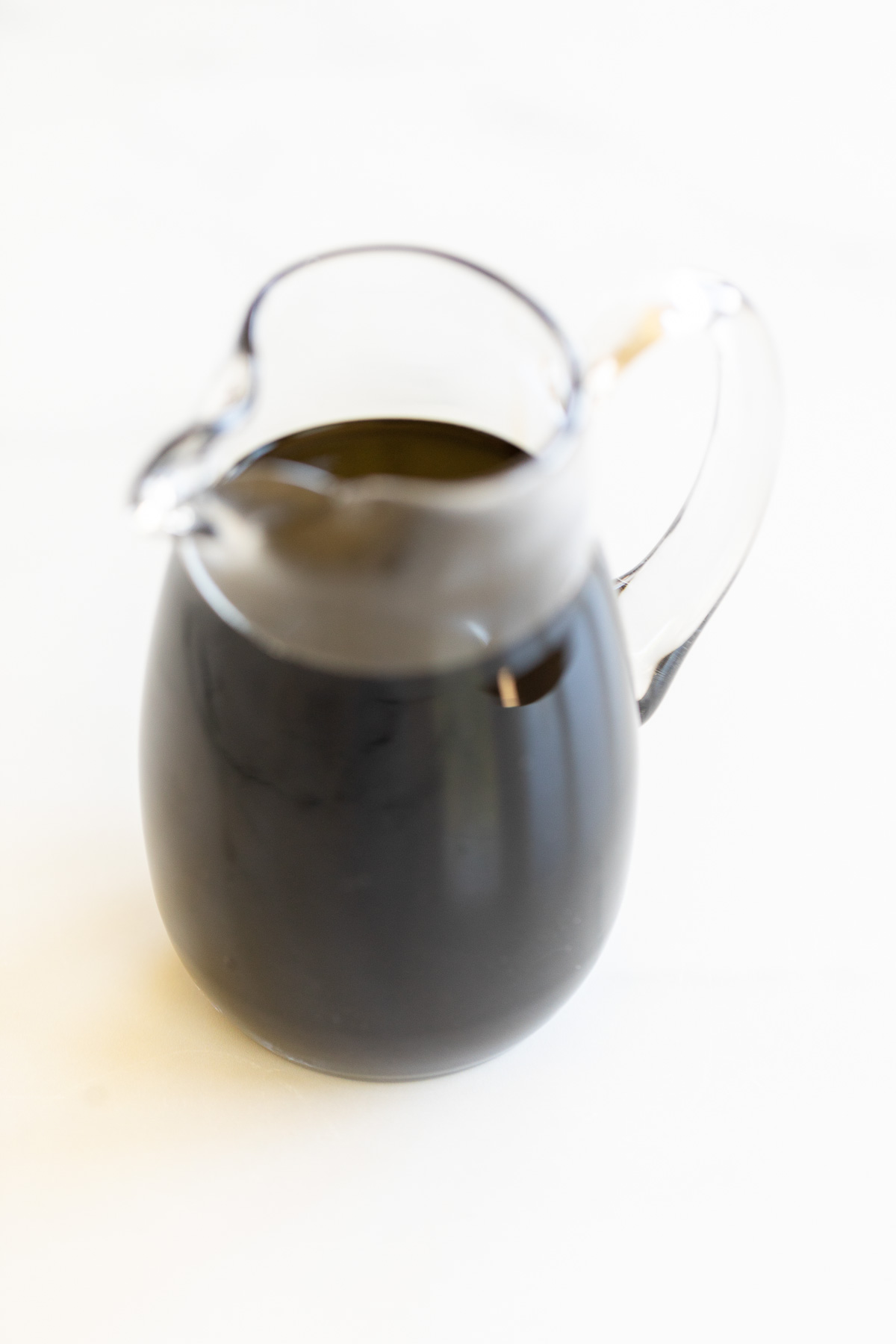
Easy Homemade Balsamic Glaze: 2 Ingredients, 10 Minutes
Imagine transforming everyday dishes into gourmet experiences with a single drizzle of a sweet, tangy, and impossibly rich sauce. Now imagine doing it in just 10 minutes, using only two simple ingredients. Sounds like a kitchen dream, right? Welcome to the world of homemade
balsamic glaze, also known as balsamic reduction. This culinary secret weapon is not only ridiculously easy to make, but it also elevates everything from a humble salad to a succulent steak, proving that the best flavors don't have to come in an expensive, pre-made bottle.
For many home cooks, the fridge door can quickly become a graveyard of half-used condiments. But what if you could streamline your pantry and create your own high-impact sauces on demand? Making your own
balsamic glaze is a prime example of this philosophy. Instead of a specialty bottle cluttering valuable fridge real estate, you simply grab your trusty balsamic vinegar and, with a touch of magic, craft a fresh, vibrant glaze whenever inspiration strikes. Its sweet and tangy profile, with deep, complex notes, is truly a game-changer, promising to take your roasted vegetables (seriously, try it on Brussels sprouts!), grilled meats, and even fresh fruit to an entirely new level.
Why Homemade Balsamic Glaze is a Game-Changer
Opting for homemade
balsamic glaze isn't just about saving space; it's a strategic culinary decision that offers numerous benefits over its store-bought counterparts.
*
Cost-Effectiveness: While specialty glazes can carry a premium price tag, crafting your own from balsamic vinegar and a touch of sugar is significantly more economical. You're leveraging basic pantry staples to create a high-value product.
*
Ingredient Control: Store-bought versions often contain thickeners, stabilizers, or artificial flavorings. By making your own, you maintain complete control over the ingredients, ensuring a pure, natural flavor free from unwanted additives.
*
Superior Freshness and Flavor: There's an undeniable difference in taste when a product is made fresh. The vibrant acidity and nuanced sweetness of a freshly reduced balsamic glaze are far superior to a glaze that has been sitting on a shelf for months. The flavors are more pronounced, brighter, and truly authentic.
*
Customization: You can adjust the sweetness to your preference. Prefer a tangier glaze? Reduce the sugar. Want it richer? Add a touch more. This level of customization is impossible with pre-made options.
*
Zero Clutter: Say goodbye to that extra bottle perpetually occupying prime fridge real estate. You only make what you need, when you need it, freeing up space and reducing waste.
Ultimately, making your own
balsamic glaze is an empowering culinary act that brings gourmet flavors within easy reach, transforming everyday cooking into an art form.
The Simple Science: How Balsamic Glaze Transforms
At its heart, a
balsamic glaze is simply a concentrated form of balsamic vinegar. The process is a classic example of culinary reduction – a technique used to intensify flavors and alter textures. When you gently simmer balsamic vinegar, the water content slowly evaporates, leaving behind a thicker, more viscous liquid.
As the water dissipates, the natural sugars and complex flavors present in the balsamic vinegar become highly concentrated. This not only deepens the characteristic sweet and sour notes but also creates that desirable syrupy consistency. If you choose to add a touch of brown sugar (which we highly recommend), it plays a crucial role in balancing the inherent acidity of the vinegar. The sugar doesn't just add sweetness; it also helps to achieve that glossy, almost jam-like texture as it melts and caramelizes slightly during the reduction process. The result is a richer, smoother, and more mellow flavor profile than the original vinegar, with a beautiful sheen that clings perfectly to whatever you drizzle it over. It's a magical transformation from a thin, sharp liquid to a thick, deeply flavorful elixir.
Choosing Your Ingredients: The Heart of Your Perfect Balsamic Glaze
While the ingredient list for
balsamic glaze is incredibly short, the quality of what you put in directly impacts the deliciousness of what you get out.
Balsamic Vinegar
This is, without a doubt, the star of the show, and you absolutely should not skimp on quality here. As the vinegar reduces, its flavor will intensify dramatically. If you start with a low-quality vinegar, any off-notes or harshness will only become more pronounced and unpleasant.
*
Look for "from Modena" or "Aceto Balsamico di Modena IGP": This certification indicates that the vinegar comes from the traditional region of Modena, Italy, and adheres to specific production standards, ensuring a certain level of quality and authenticity. While true Traditional Balsamic Vinegar (DOP) can be incredibly expensive, a good quality IGP vinegar offers excellent flavor for a much more accessible price.
*
Appearance: A good balsamic vinegar should be dark, clear, and possess a rich, inviting aroma. Avoid vinegars that appear translucent or watery.
*
Read the Label: Steer clear of vinegars that list wine vinegar as the primary ingredient, or those containing caramel color, artificial flavorings, or excessive additives. These are often indicators of a lower-quality product that won't deliver the complex flavor you desire. Aim for a vinegar that has a good balance of acidity and sweetness even before reduction.
Sweetener (Optional, but Recommended)
While you can technically make a
balsamic glaze with just vinegar, adding a touch of sweetener truly elevates it, balancing the acidity and deepening the flavor profile.
*
Brown Sugar: This is our top recommendation. The molasses content in brown sugar adds a lovely depth and subtle caramel note that complements the balsamic beautifully, resulting in a richer, more complex glaze.
*
Granulated Sugar: If you prefer a cleaner, less complex sweetness, white granulated sugar works perfectly well.
*
Alternatives: For a different twist, you could experiment with a touch of maple syrup or honey, though these will impart their own distinct flavors to the glaze.
A good rule of thumb is to start with a ratio of 1 cup of balsamic vinegar to 1-2 tablespoons of brown sugar, adjusting to your taste. A pinch of salt can also be added at the end to further enhance the overall flavor, making the sweetness and tang truly pop.
Mastering the Reduction: Your Step-by-Step Guide and Expert Tips
Creating the perfect
balsamic glaze is a straightforward process, but a few key techniques will ensure a foolproof, delicious result every time.
Equipment You'll Need:
*
Small, Heavy-Bottomed Pot: A heavy bottom helps distribute heat evenly, preventing the vinegar from scorching. A small pot minimizes the surface area, allowing for a more controlled reduction.
*
Light-Colored Interior: A stainless steel or light-colored pot allows you to easily observe the color and thickness of the dark liquid as it reduces, making it easier to gauge doneness.
*
Vent Hood: Simmering vinegar can produce a strong, pungent aroma, so ensure good ventilation.
The Reduction Process:
1.
Combine Ingredients: Pour your chosen balsamic vinegar into the pot. If using, stir in the brown sugar until it dissolves.
2.
Gentle Simmer: Place the pot over your stovetop and turn the heat to the lowest setting that maintains a gentle simmer. You want small, consistent bubbles, not a rolling boil. High heat can cause the sugar to candy or the vinegar to reduce too quickly and burn.
3.
Watch and Stir: As the vinegar simmers, keep a close eye on it. Stir occasionally, especially as it thickens, to prevent it from sticking to the bottom or burning. This process usually takes about 10-15 minutes, depending on the amount of vinegar and heat level.
4.
Check for Doneness: The glaze is ready when it coats the back of a spoon. Dip a spoon into the glaze, then run your finger across the back; if the line holds without the glaze running back together, it's nearly there.
5.
Remember, it Thickens as it Cools: This is crucial! Remove the pot from the heat when the glaze is still slightly thinner than your desired final consistency. As it cools, it will continue to thicken significantly, reaching that perfect syrupy texture. If you wait until it looks perfect in the pot, it will be too thick (and potentially solid) once cool.
6.
Cool and Store: Allow the glaze to cool completely in the pot before transferring it to an airtight container. Store it in the refrigerator, where it will last for several weeks.
Troubleshooting & Pro Tips:
*
Too Thick? If your glaze becomes too thick after cooling, gently reheat it over low heat with a tablespoon or two of water or extra balsamic vinegar, stirring until it reaches your desired consistency.
*
Too Thin? If it’s still too runny once completely cooled, simply return it to the pot and simmer for a few more minutes, then re-test.
*
Preventing Burning: The low and slow approach is your best friend. Don't rush the process.
*
Seasoning: A small pinch of sea salt can really amplify the flavors, especially if you're using the glaze for savory dishes. Add it at the very end.
For even more detailed troubleshooting and advanced techniques to perfect your reduction, check out our guide on
Mastering Balsamic Glaze: Tips for the Best Homemade Drizzle.
Drizzle, Delight, and Discover: Creative Uses for Your Homemade Balsamic Glaze
Once you’ve mastered the art of making this luscious
balsamic glaze, you’ll find yourself reaching for it constantly. Its unique sweet and tangy profile, coupled with a luxurious texture, makes it incredibly versatile across a spectrum of dishes.
Here are just a few ideas to get you started:
*
Salads: A classic pairing! Drizzle it over a simple Caprese salad with fresh mozzarella, tomatoes, and basil, or use it to elevate any mixed green salad.
*
Roasted Vegetables: This is where balsamic glaze truly shines. It caramelizes beautifully on roasted Brussels sprouts, asparagus, carrots, sweet potatoes, or bell peppers, adding incredible depth of flavor.
*
Grilled Meats & Fish: Brush it onto grilled chicken, steak, pork chops, or salmon for a delightful sticky, sweet, and savory finish. It forms a beautiful crust and locks in moisture.
*
Pasta & Pizza: A delicate swirl over a plain cheese pizza or a simple pasta dish can add an unexpected layer of gourmet flavor.
*
Appetizers & Charcuterie: Pair it with soft cheeses (like goat cheese or brie), crusty bread, olives, and cured meats on your next platter. It’s also fantastic drizzled over bruschetta.
*
Sandwiches & Wraps: Add a sophisticated touch to your favorite deli sandwich or gourmet panini.
*
Sweet Treats: Don't limit it to savory! A surprising and delicious addition to desserts. Try it drizzled over fresh berries (especially strawberries), vanilla ice cream, panna cotta, or even a cheesecake. The acidity cuts through the sweetness beautifully.
The possibilities are truly endless! To explore a wider array of culinary pairings and get inspired for your next meal, read our comprehensive article on
Elevate Every Dish: The Versatile Uses of Balsamic Glaze.
In conclusion, whipping up your own
balsamic glaze is one of the simplest yet most impactful culinary skills you can master. In just 10 minutes, with as little as two ingredients, you create a sophisticated condiment that rivals any store-bought specialty. It’s a testament to the fact that profound flavor often comes from humble beginnings and a little kitchen ingenuity. So, next time you're looking to add a gourmet touch to your meal, skip the expensive bottles and embrace the magic of homemade. Your taste buds, and your wallet, will thank you!